

Building a strong brand identity is one of the smartest investments any small business can make. Many business owners assume that branding is only for big corporations with huge marketing budgets. In reality, branding becomes even more important when you are trying to stand out in a competitive local market, attract steady customers, and grow your reputation over time. Here’s what matters most if you want to build a brand that customers recognize, remember, and trust.
What Brand Identity Really Means
Brand identity is more than a logo or a flashy tagline. It’s the full personality of your business expressed through visual style, communication, customer experience, and reputation.
Think of it like this:
- Your brand is what people think about you.
- Your brand identity is how you influence that thinking. When these two matches, your brand becomes powerful.
Why Small Businesses Must Focus on Branding
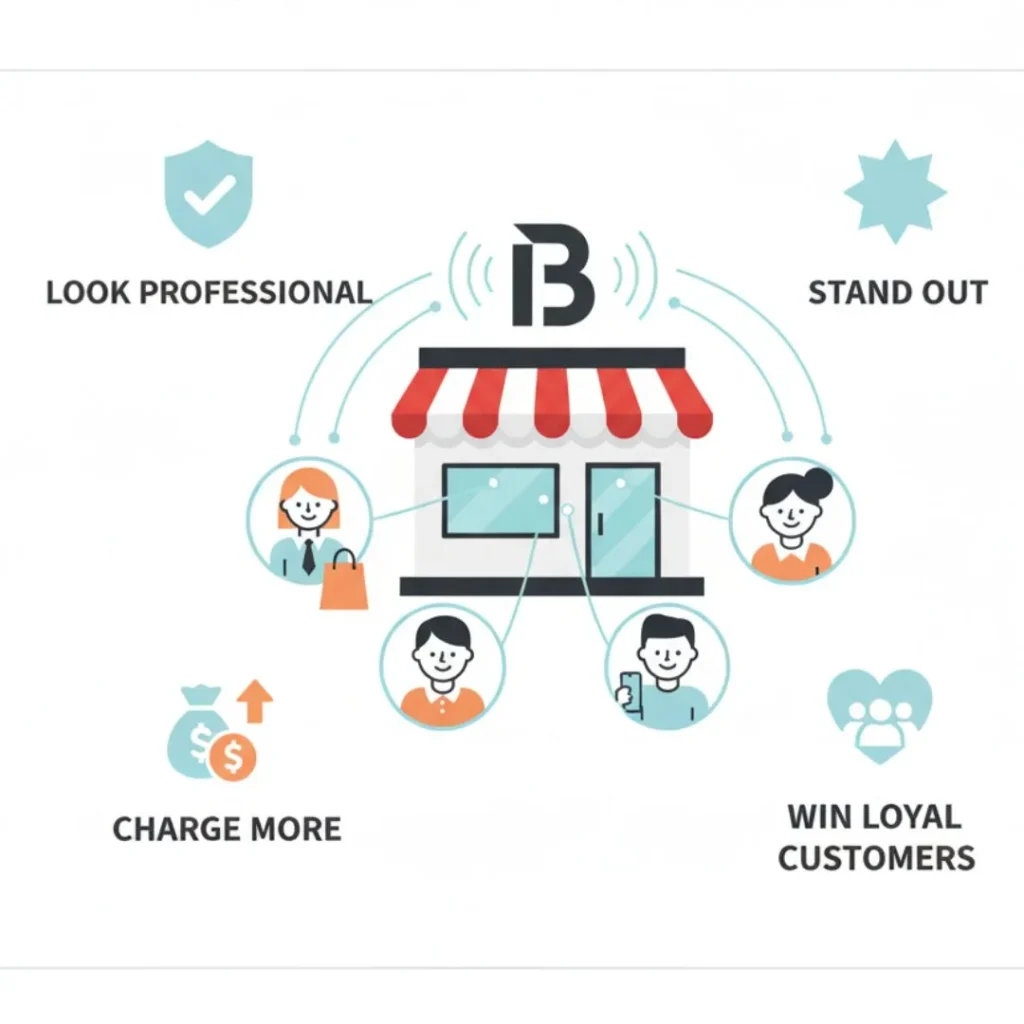
Small businesses often rely on word-of-mouth. People recommend only those brands they trust and feel connected to. A strong identity helps you:
- Look professional and credible
- Differentiate from competitors
- Charge better prices because customers see higher value
- Build loyalty and repeat business
- Grow faster without overspending on marketing
Bottom line: A clear brand identity acts like a magnet. It helps the right customers find you and choose you.
→ professional brand identity services for small businesses
What Matters Most in Brand Identity
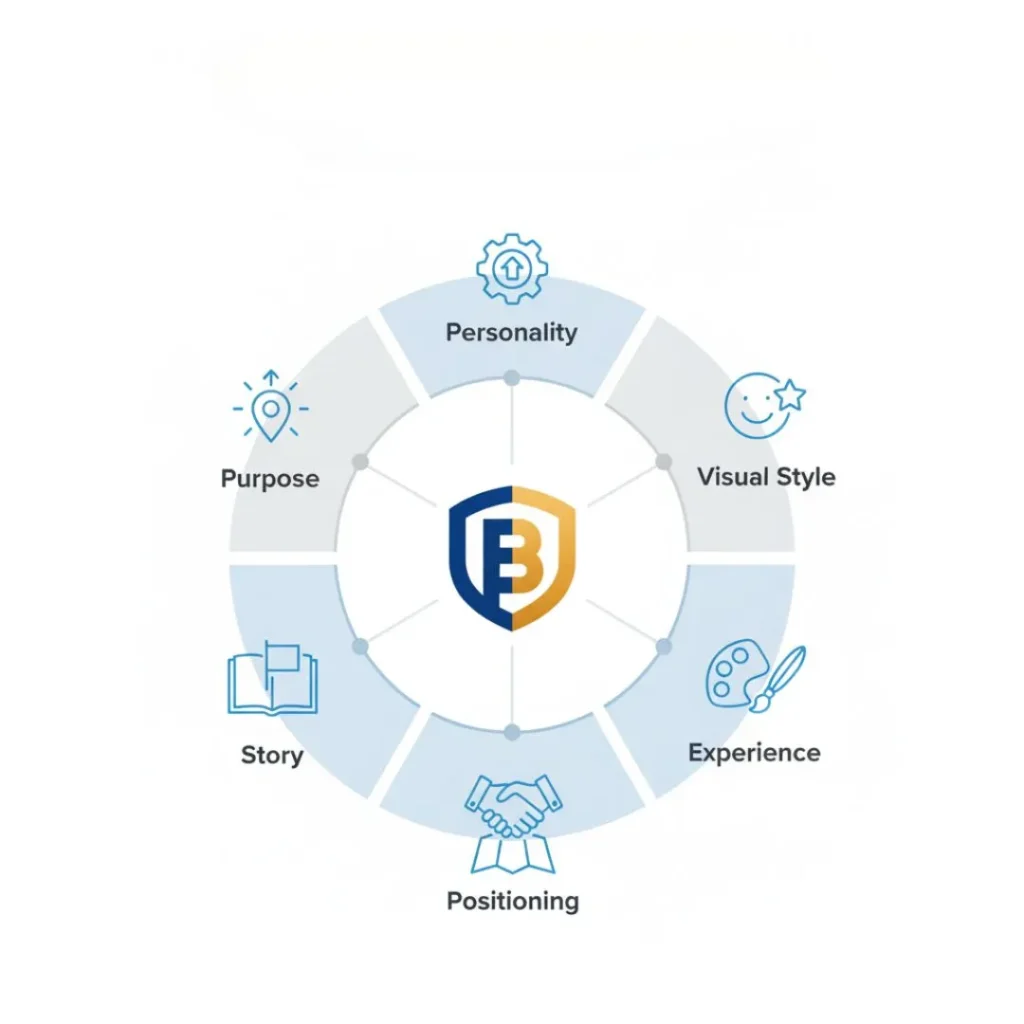
Let’s break down the most important elements you should get right.
1. A Clear Brand Purpose
Your purpose answers one simple question:
Why does your business exist beyond making money?
For example, “to make dental care more friendly and accessible for families” or “to help local home-owners design beautiful spaces on a budget.”
A strong purpose helps customers feel a connection with what you stand for.
2. Consistent Brand Personality
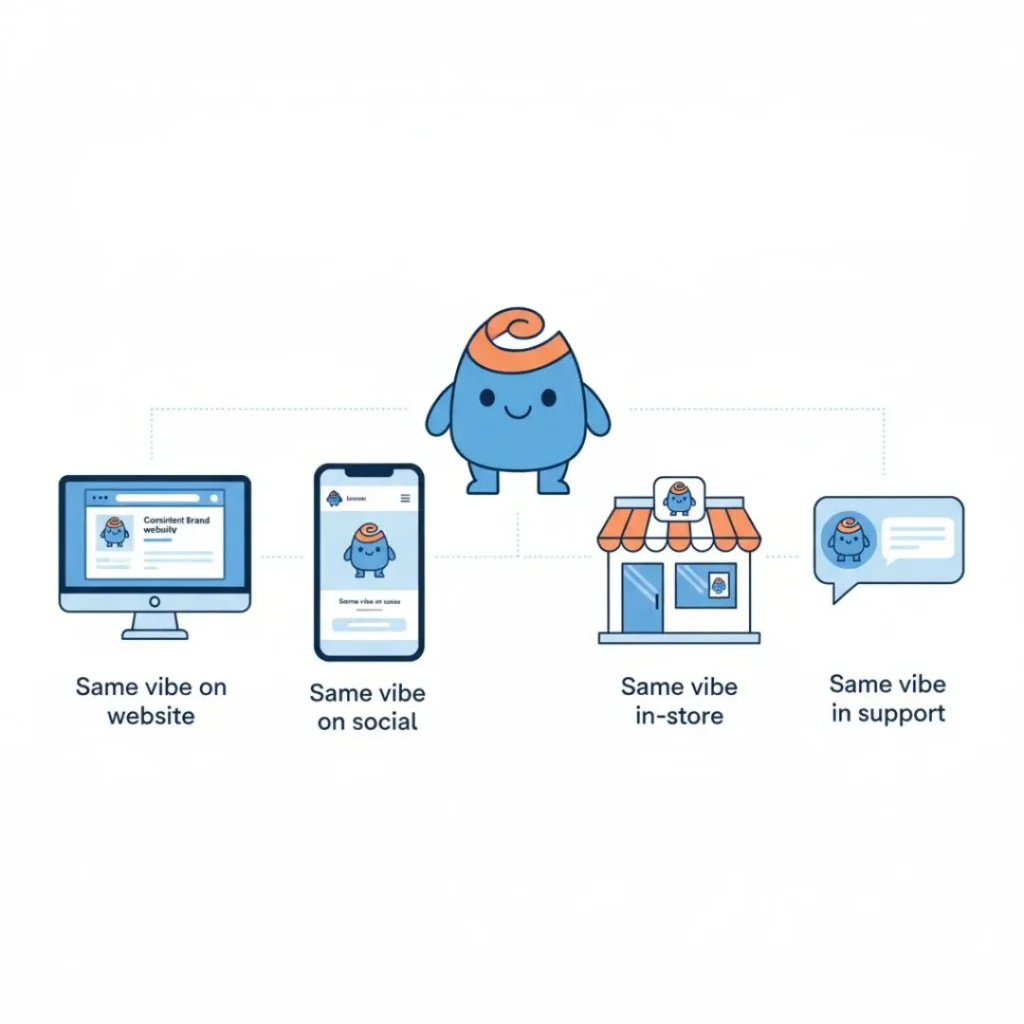
Every business has a personality. It could be friendly, premium, playful, authoritative, or tech-savvy. This personality should be reflected everywhere:
- Website
- Social media posts
- Store interior
- Communication tone
- Customer service
When a customer feels the same personality every time they interact with you, trust grows.
→ expert branding and design support
3. Visual Style That Stands Out
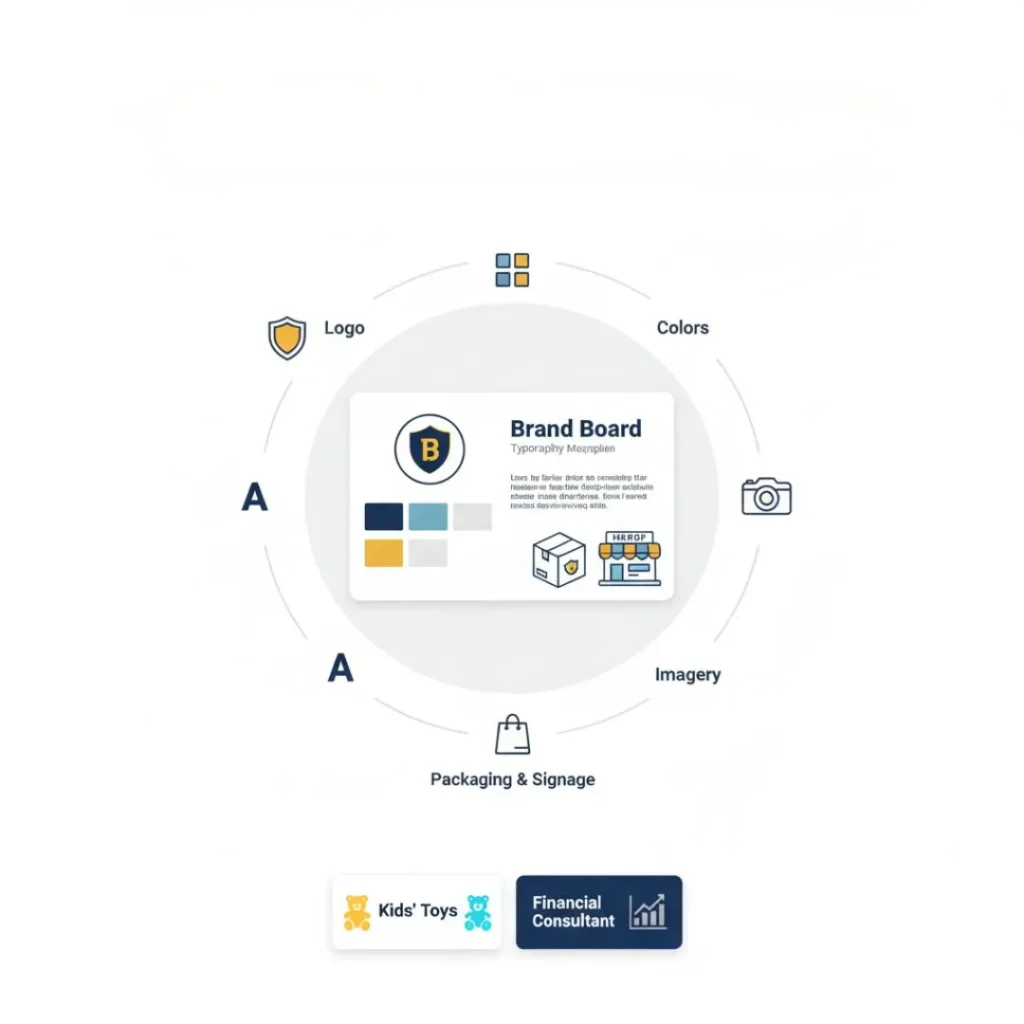
People remember what they see. Focus on building a visual identity that is simple, clean, and consistent.
This includes:
- Logo
- Brand colours
- Typography (fonts)
- Imagery style
- Packaging or signage
Choose visuals that express who you are. A kids’ toy shop will look different from a financial consultant—because their personality and target audience differ.
→ affordable brand design and visual identity services
4. A Memorable Brand Story
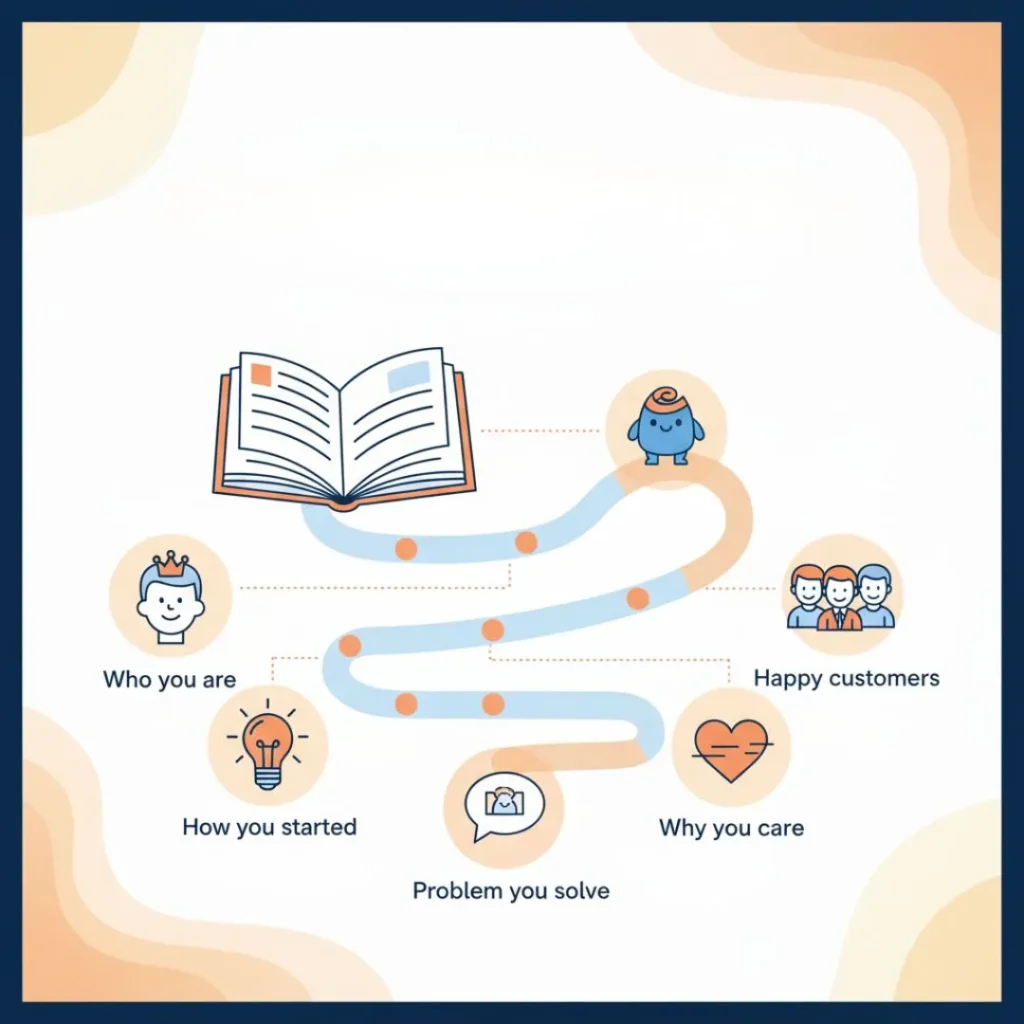
Your story shows the human side of your business. It tells people:
- Who you are
- How you started
- What problem are you solving
- Why you care
Stories build emotional connection. Customers love to support a brand that feels personal and real.
5. Clear Positioning in the Market
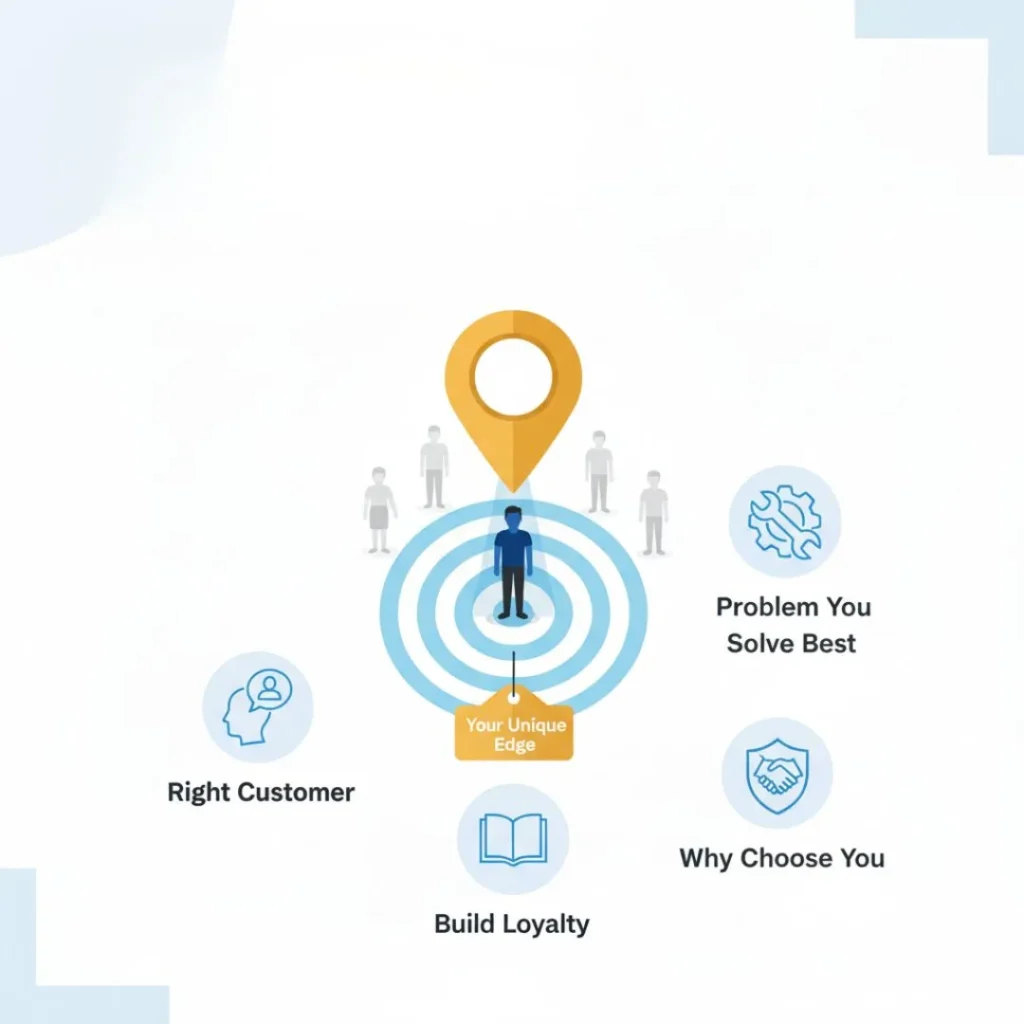
Positioning means deciding:
- Who is your target customer
- What problem do you solve best
- Why customers should choose you over others
Strong positioning focuses on what makes you unique. Maybe you are the most reliable home painter in the area. Maybe you serve customers faster than anyone. Own that uniqueness.
→ brand strategy consulting for small businesses
6. Customer Experience That Matches Your Promise
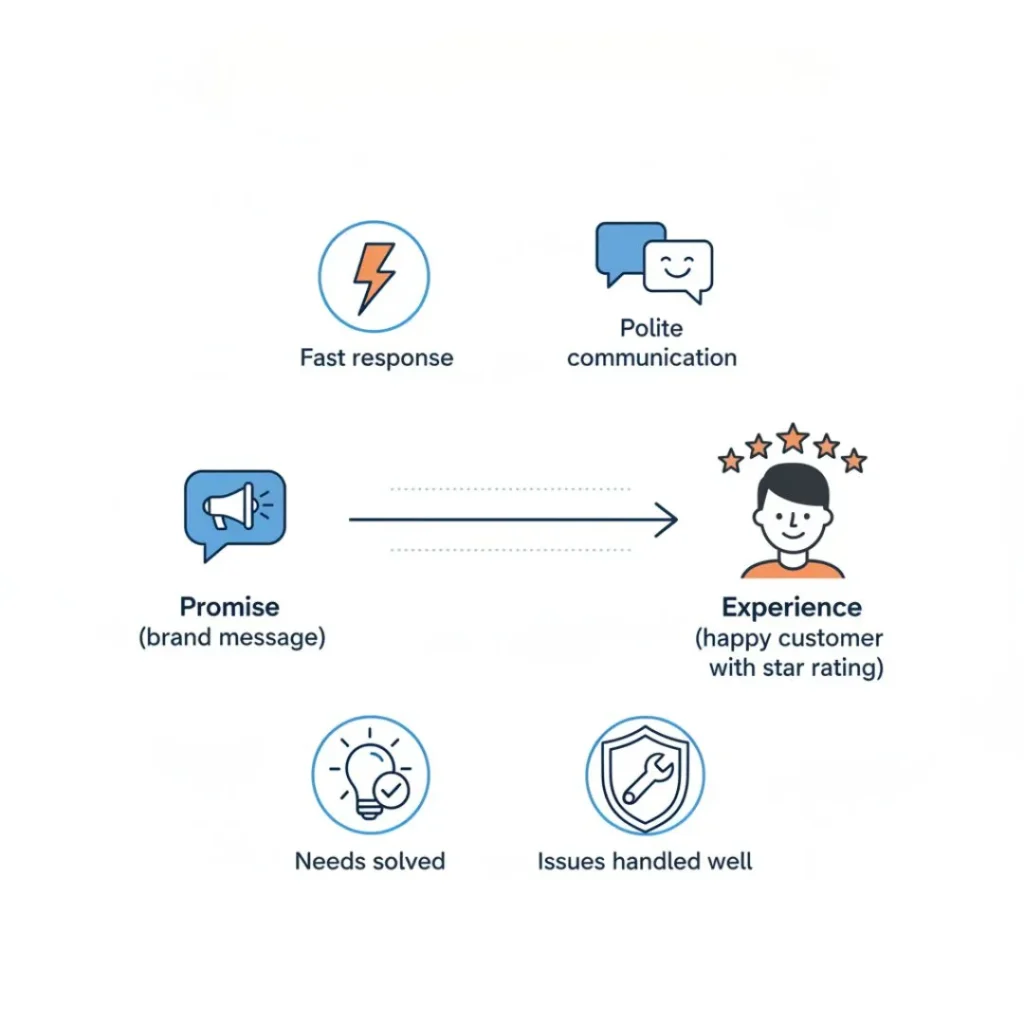
Your brand promise should be reflected in how customers feel when they use your product or service. Every moment matters:
- How quickly you respond
- How politely you talk
- How well you solve their needs
- How problems get handled
Great brand identity = strong promise + consistent delivery.
Examples of Small Businesses with Smart Branding
Here are a few simplified examples to spark ideas:
- A neighbourhood bakery known for its green packaging and zero-waste mission
- A doctor’s clinic communicates in simple language with warm visuals to reduce patient anxiety
- A local café that uses bold colours and a quirky tone for young professionals and creators
- A home service start-up that focuses heavily on punctuality and transparent pricing
Notice how personality, visuals, and customer experience align with the promise.
Building Your Brand Identity in 5 Simple Steps
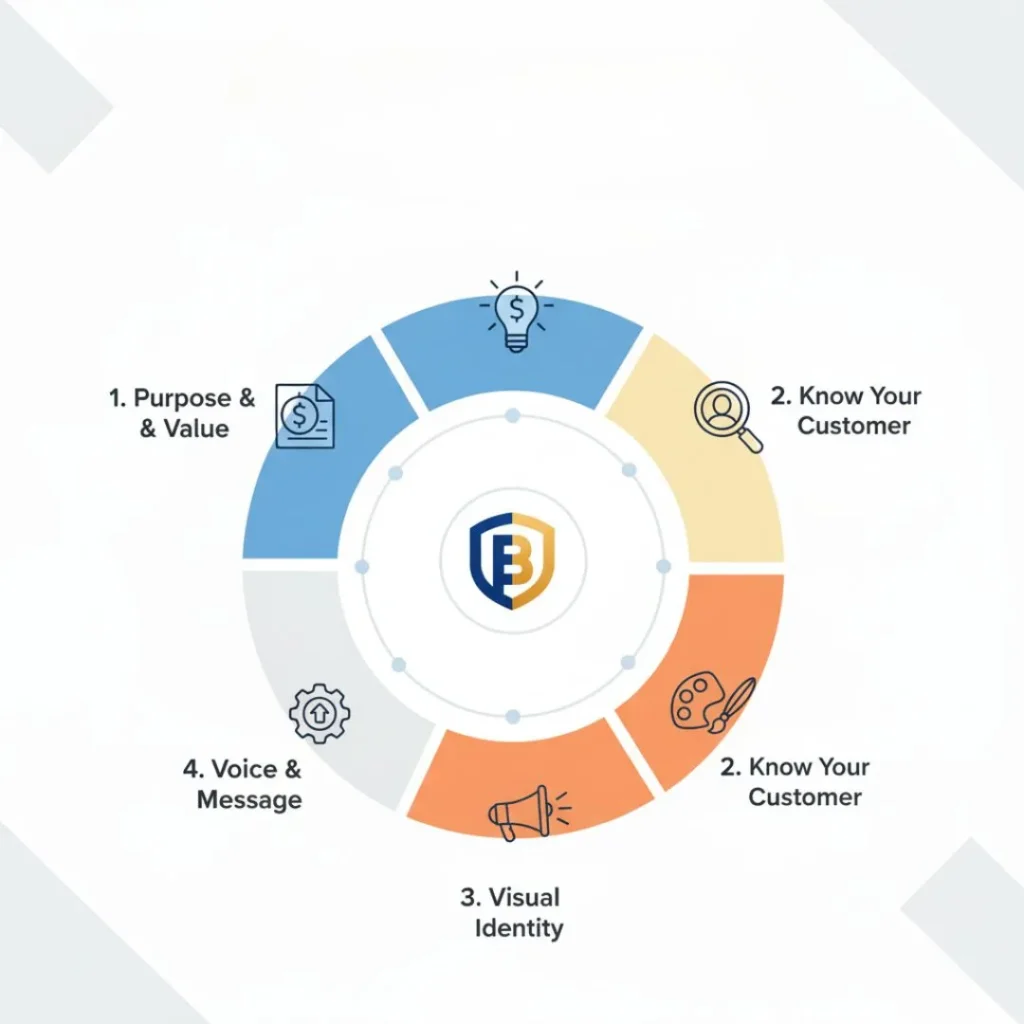
If you’re starting from scratch, use this simple approach:
Step 1: Define your purpose and unique value
Write down exactly why you exist and what makes you different.
Step 2: Understand your customers deeply
What do they care about? What frustrates them? What do they expect?
Step 3: Design your visual identity
Create a logo, pick colours and fonts, and apply them everywhere consistently.
Step 4: Set your brand voice and message
Decide how your brand speaks and stick to it across platforms.
Step 5: Deliver your promise every day
Train your team, simplify processes, and make every experience count.
Brand identity is not a one-time project. It’s a continuous effort to stay true to who you are.
Common Branding Mistakes Small Businesses Should Avoid
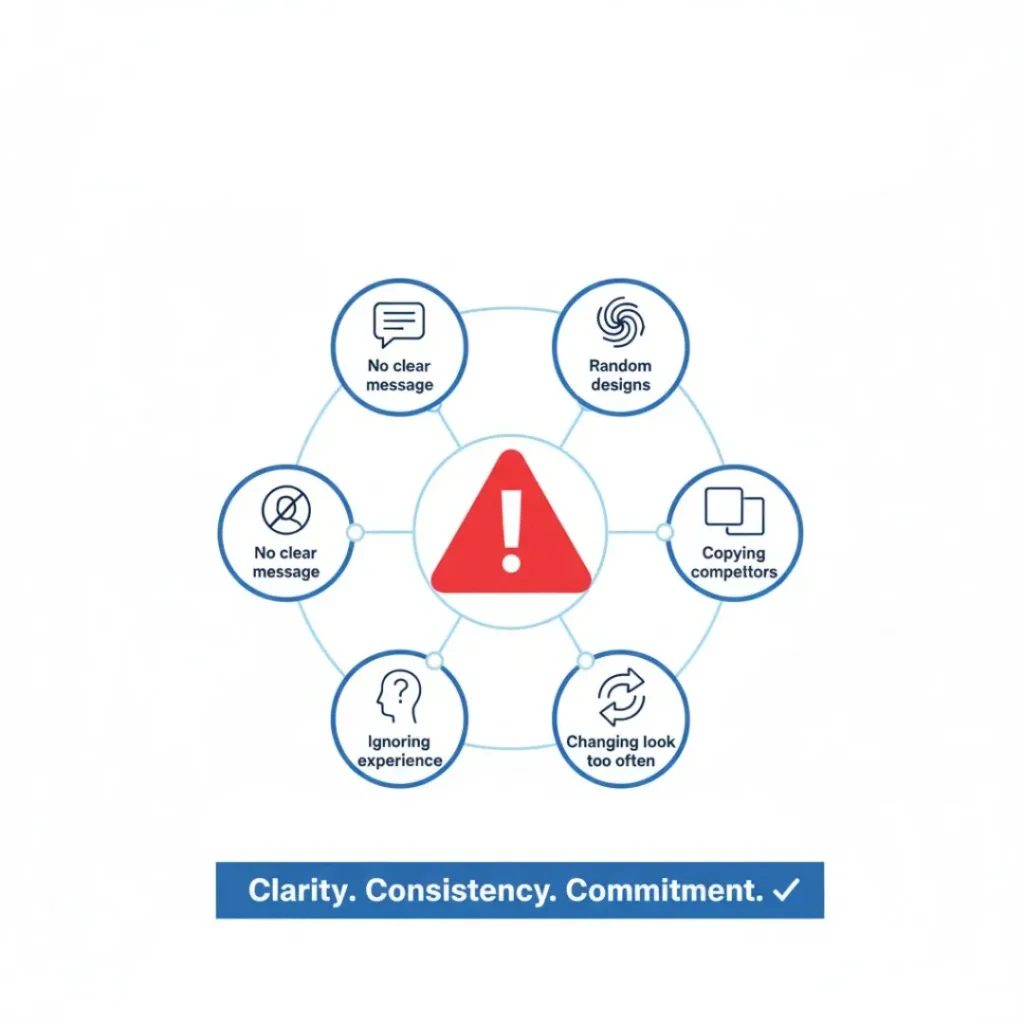
- Using random designs with no strategy
- Copying competitor branding
- Changing brand elements too often
- Ignoring customer experience while focusing only on visuals
- Not having a clear message or target audience
You don’t need expensive campaigns to build a strong brand. You just need clarity, consistency, and commitment.
How to Know Your Branding is Working
Watch for these signs:
- More people recognize your business
- You attract customers who genuinely match your ideal profile
- Customers come back without discounts or offers
- You receive more referrals naturally
- Your pricing becomes more stable over time
Good branding shows up in your bottom line.
→ Work with us to build your brand identity
Conclusion
Strong brand identity is what helps a small business go from unknown to unforgettable. When people feel a connection with your business, what you stand for, how you look, and how you treat them, you win loyalty. And loyalty builds growth.
So whether you’re running a clinic, a café, a service business, a retail store, or a professional, start shaping your brand identity today. Make every impression count. The market rewards those who show up with clarity and confidence.
Ready to Build a Brand That Builds Customers’ Trust?
If you want your business to look more professional, attract better customers, and grow faster, a strong brand identity is the first step. We help small businesses define who they are, design a memorable presence, and show up with confidence online and offline.
Let’s shape your brand into something people remember.
Start with a free consultation today.
FAQs
What is the most important part of brand identity?
Consistency. When customers repeatedly see the same visual style and experience the same personality, trust grows naturally.
Do small businesses really need branding?
Yes. Small businesses depend heavily on trust and word-of-mouth. Strong branding makes people feel confident choosing you.
How much does branding cost?
It varies. You can start small with a clear message and a consistent visual style. As your business grows, invest more in professional design and communication.
How long does it take to build a brand?
Branding is ongoing, but you can start seeing improvements within months if your message and visuals are consistent.
[…] of Visual Identity: Avoid inconsistent colours, logos, and fonts across […]
[…] builds trust with Google, and that is why building a strong digital brand identity is a crucial factor […]
[…] is the perception people carry about your business when you’re not in the […]
[…] Brand Identity fundamental includes: […]
[…] Clients cannot “test” your service before paying you. They judge you by what they see online. That is where your content strategy becomes your reputation for your business and creates your brand identity. […]
[…] guide, and demonstrate expertise before asking for anything. This is how you can create your brand identity, which will help your brand to attract more leads for your business […]
The section of clear brand purpose was rather familiar. Small businesses are apt to be aware of what they are but rarely tell why they exist other than because of the revenue. The latter gap is reflected through the inconsistency of the message and low level of differentiation. What are some of your thoughts about what business owners can do to find a true purpose that is not obtrusive or clichéd?
You’ve nailed the issue. Most small businesses know what they do, but the why stays buried under day-to-day survival. I’ve found that real purpose rarely comes from big statements. It shows up in small, repeated choices-what customers thank you for, what you refuse to compromise on, and where you behave differently from competitors. When purpose is pulled from real actions, it stays honest and never feels clichéd.
[…] people use the terms “logo” and “brand identity” interchangeably. That confusion is common and costly when you brainstorm on logo vs brand […]