
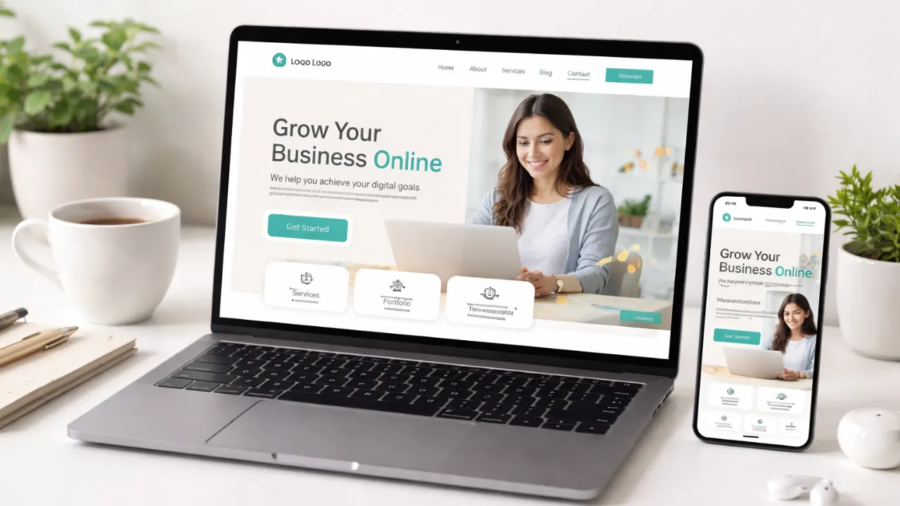
Why website essentials for small business is crucial? Here’s the truth most people won’t tell you.
Your website is not your digital visiting card.
It’s your best salesperson. It works 24/7. It either builds trust or quietly pushes people away.
Most small businesses don’t fail because they lack talent. They fail because their website confuses visitors, feels outdated, or simply doesn’t guide people to take action.
Let me explain what actually matters.
Below are the real website essentials every small business needs. No fluff. Only what drives trust, enquiries, and sales.
A Clear Purpose on the Homepage
Your homepage has one job: answer three questions in five seconds.
Who are you
What do you do
Why should I trust you
If a visitor can’t understand this instantly, they leave.
What to include
- A simple headline that explains your service
- One supporting line that says who it’s for
- A visible Call To Action button like
- Book a Free Call
- Get a Quote
- Contact Us
Avoid slogans that sound nice but say nothing.
Be direct. Be human.
Mobile-Friendly Design (This Is Not Optional)
More than 70% of your visitors are on phones.
If your website feels cramped, slow, or hard to tap, you lose leads.
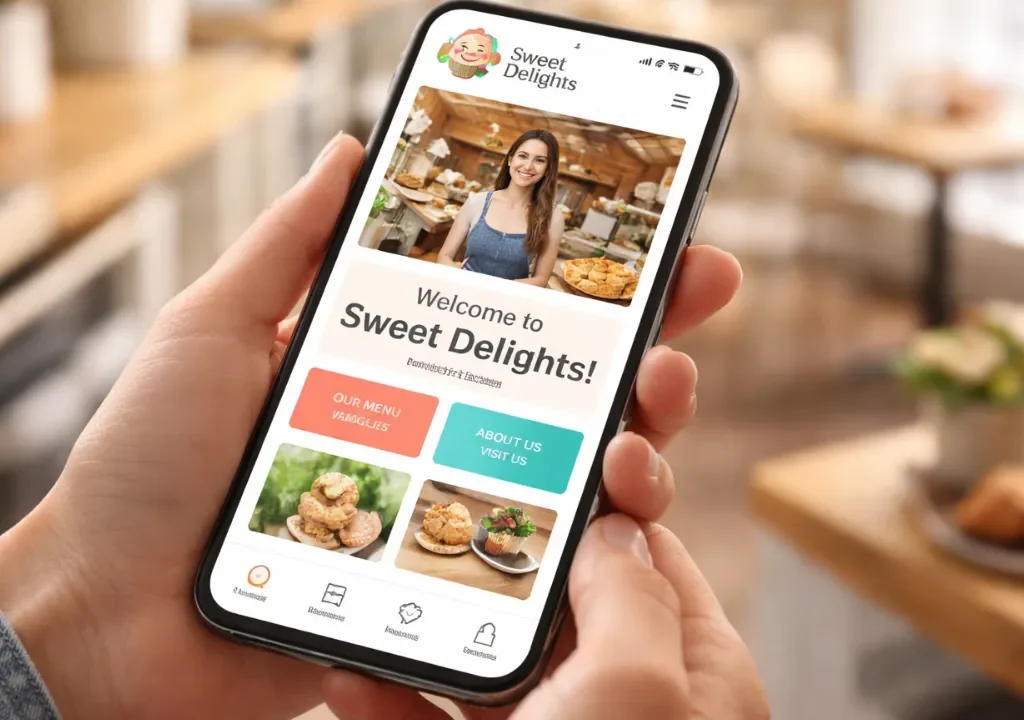
Your site must:
- Load fast on mobile
- Have big, readable text
- Show buttons that are easy to click
- No need to zoom to read
Mobile experience is now your real website. The desktop is secondary.
Fast Loading Speed can enhance your website essentials for small business
People don’t wait.
Three seconds is the danger zone.
A slow site kills trust before you even speak.

Keep it fast by:
- Using compressed images
- Avoiding heavy animations
- Using a clean theme
- Hosting your site on a decent server
Speed is not technical decoration. It directly impacts your enquiries.
A Simple and Honest About Page
People don’t buy from logos. They buy from people.
Your About page should answer:
Who is behind this business
Why did you start it
Who you help
What you believe in
Keep it real. Keep it short. Keep it honest.
Add your photo. Add your story. Add your values.
Trust grows when your website feels human.
Clear Service Pages
Each main service deserves its own page.
Don’t mix everything into one long, messy page.
Each service page should have:
- What this service is
- Who it is for
- What problem does it solve
- How your process works
- What results can people expect
- A clear Call To Action
When your service pages are clear, your sales calls become easier.
Strong Call To Action Buttons
Every page must guide the visitor to the next step.
Don’t hide your buttons. Don’t be shy.
Good CTA examples:
- Book a Free Consultation
- Request a Quote
- Talk to an Expert
- Get Started
Tell people what to do next. They actually appreciate it.
Contact Page That Builds Confidence
Your Contact page should feel safe and real.
Include:
- Phone number
- Business address or service location
- Contact form
- Working hours
Avoid long, complicated forms.
Name, phone, email, and message are enough.
Testimonials and Social Proof
People trust people more than ads.
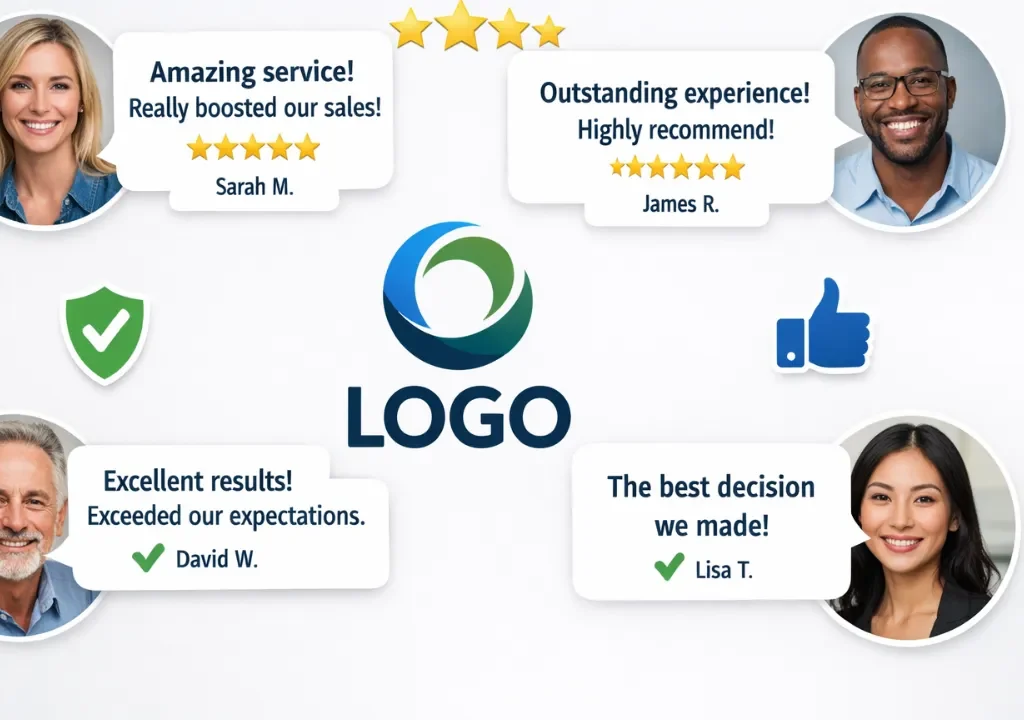
Add:
- Client testimonials
- Google review screenshots
- Case studies
- Logos of brands you’ve worked with
Social proof reduces fear.
It silently answers the question: Can I trust this business?
Basic SEO Setup
SEO is not magic. Its structure.
At a minimum, your website should have:
- One main keyword per page
- Proper page titles
- Meta descriptions
- Clean URLs
- Headings (H2, H3) used properly
This helps Google understand you and helps customers find you.
Security and Privacy
A secure website builds confidence.
Make sure your site has:
- HTTPS (SSL certificate)
- Privacy Policy
- Terms & Conditions
- Cookie notice
These are not legal decorations. They protect you and your customer.
A Blog or Resource Section
You don’t need to write daily.
But you do need helpful content.
A simple blog allows you to:
- Educate your audience
- Build SEO traffic
- Show your expertise
- Stay relevant
Even one good article per month makes a difference.
WhatsApp or Quick Contact Option
Small businesses grow faster when communication is easy.
Add:
- WhatsApp chat button
- Click-to-call button
- Quick enquiry form
- Integrate AI Chatbot
Remove friction. Make contacting you effortless.
Simple Branding Consistency
Your website must feel like one brand, not five designs mixed together.
Keep:
- One font style
- Two or three brand colours
- Same tone across pages
Consistency builds memory. Memory builds trust.
Analytics and Tracking
You can’t improve what you don’t measure.
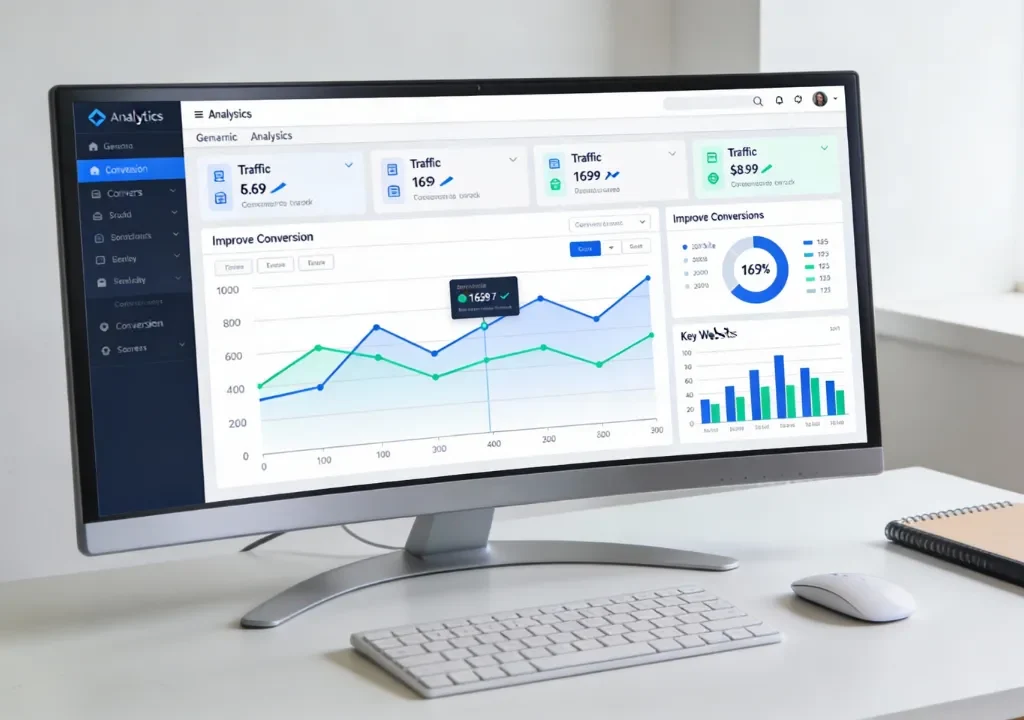
At minimum, connect:
- Google Analytics
- Google Search Console
This tells you:
Where visitors come from
Which pages perform best
What content brings leads
Data makes your marketing smarter.
Final Thought
Your website is not a decoration.
It’s a sales system.
If it is slow, unclear, or confusing, it silently pushes customers away.
If it is simple, fast, honest, and structured, it quietly sells for you.
Fix the basics first.
Growth becomes easier.
FAQs
How much should a small business website cost?
A basic professional website can be built within a reasonable budget. What matters more is clarity, speed, and usability, not fancy design.
Do I need a website if I use social media?
Yes. Social media rents you attention. A website owns your presence. Your website is your real digital asset.
How many pages does a small business website need?
At minimum: Home, About, Services, Contact, Privacy Policy, and one blog page.
How often should I update my website?
Update your content every 3–6 months. Add new blogs regularly for better SEO and relevance.
Can I build my website myself?
Yes, but follow structure, speed, and clarity guidelines. Or work with someone who understands business, not just design.